
Just so you know – some links on this page are affiliate links. If you click and buy something, I may earn a small commission (think coffee money, not a luxury vacation) at no extra cost to you. I only share things I genuinely like and believe are worth it. Thanks for supporting this little corner of the internet – it really helps keep everything running.
Fitness is about so much more than how you look. It’s about how you feel, what your body can do, and the mental strength you build through physical challenges.
The journey to fitness isn’t linear or easy. It’s full of setbacks, plateaus, breakthroughs, and moments where you want to quit. But it’s also full of victories that have nothing to do with the scale and everything to do with what you’re capable of.
These words capture the reality of fitness – the struggle, the discipline, the transformation, and the empowerment that comes from taking control of your health. They’re for beginners just starting out and veterans who still show up when motivation is gone.
Fitness teaches you that your body is capable of more than your mind believes, that consistency beats intensity, and that the hardest part is often just beginning.
Starting Your Journey
Starting fitness can feel overwhelming because everything is new at once. New routines, new movements, new habits, and often a lot of self-doubt. It is easy to think you need to figure everything out before you begin, but that is exactly what keeps most people stuck.
In reality, progress begins the moment you stop overthinking and take action. You do not need to be ready, confident, or experienced. You just need to show up and give yourself permission to learn as you go.

You don’t need to be great to start, but you need to start to become great.
Beginning is scary because you’re not good yet, but everyone who’s good started exactly where you are.
The best time to start was years ago, the second best time is right now.
Starting your fitness journey means accepting where you are without judgment or shame.
You begin by showing up, not by being perfect or knowing everything first.
The first step is always the hardest because it requires believing you can before you have proof.
Starting means giving yourself permission to be a beginner without comparing to advanced people.
You don’t need the perfect plan to start, you just need to move and adjust as you learn.
Beginning your fitness journey is an act of self-love, not punishment for how you look.
The courage to start is often greater than the discipline to continue once you’ve begun.
Consistency Over Intensity
One of the biggest mistakes in fitness is thinking you need to go all-in every time. That mindset burns people out quickly. Intensity feels productive, but it is consistency that actually changes your body and your mindset over time.
Showing up on average days, doing imperfect workouts, and sticking with it when it feels repetitive is what builds real results. The people who make progress are rarely the most extreme. They are the most consistent.

Showing up regularly beats going hard occasionally every single time in fitness.
Real transformation comes from what you do repeatedly, not what you do intensely once.
Consistency is the compound interest of fitness where small daily actions create massive long-term results.
You build sustainable fitness through regular effort, not through punishing yourself sporadically.
Consistency means showing up even when you don’t feel like it, especially then.
The workout you do is always better than the perfect workout you skip entirely.
Real progress is made by people who show up imperfectly but consistently over years.
Consistency doesn’t mean every workout is great, it means you keep showing up regardless.
Building fitness is like building anything worthwhile – daily small actions compound into transformation.
The secret to fitness isn’t intensity or perfection, it’s simply not quitting when it gets hard.
Mental Strength Through Fitness
Fitness looks physical from the outside, but most of the real battle happens in your head. It is the voice that tells you to stop early, to skip a day, or to stay comfortable instead of pushing forward.
Every time you continue anyway, you build something deeper than muscle. You build trust in yourself. That carries into every other part of your life in ways you do not even notice at first.

The discipline you develop through fitness transfers to every other area of your life.
Physical challenges teach your mind that discomfort doesn’t equal danger or inability.
Fitness shows you that limits you thought were absolute are often just mental barriers.
The confidence from fitness comes from proving to yourself you’re stronger than you believed.
Mental strength is built rep by rep, workout by workout, through choices to continue when it’s hard.
Fitness teaches you that you can do hard things and survive, which changes how you approach life.
The mental game of fitness is more challenging than the physical one most days.
Physical training disciplines your mind to overcome resistance, doubt, and the desire to quit.
Fitness proves that discomfort is temporary but the strength you gain from pushing through lasts.
Mental toughness in fitness is developed by doing what you committed to even when motivation disappears.
Progress Not Perfection
Perfection sounds motivating, but it usually leads to frustration. One missed workout, one bad meal, one off day and suddenly it feels like everything is ruined. That mindset makes people quit.
Progress is different. It allows mistakes, inconsistency, and learning. It focuses on direction, not perfection. And over time, that approach always wins.

Perfection is the enemy of progress because it makes you quit when you can’t maintain impossible standards.
Real progress is measured in what you can do now that you couldn’t do before.
You don’t need perfect nutrition or perfect workouts to make progress, just consistent effort.
Progress means some days are better than others and that’s completely normal and acceptable.
The goal is progress over time, not perfection in every single session or meal.
Real transformation comes from imperfect action repeated consistently, not perfect action done occasionally.
Progress includes setbacks, plateaus, and steps backward that are part of moving forward.
You measure progress by looking back months, not by obsessing over daily fluctuations.
Perfection paralyzes while progress energizes because one is impossible and one is always available.
Real fitness progress is about becoming your better self, not someone else’s best self.
Overcoming Plateaus
Plateaus are where most people get frustrated. You keep doing the work, but nothing seems to change. It feels like you are stuck, even though you are putting in the effort.
What most people do not realize is that plateaus are part of the process. Your body is adapting. Progress is still happening, just not in a visible way yet. This is where patience matters most.

Every plateau is your body adapting, which means you’re getting stronger even when numbers don’t change.
Plateaus test whether you love the process or just the results, revealing your true commitment.
Breaking through plateaus requires patience, adjustment, and trust in the process you can’t see yet.
Plateaus are signals to change something, not evidence that nothing works anymore.
The frustration of plateaus is normal but temporary if you refuse to let them become stopping points.
Every plateau you push through makes you mentally stronger for the next one that inevitably comes.
Plateaus separate people who want it from people who commit to it regardless of visible progress.
Breaking plateaus requires consistency during the period where nothing seems to be working.
Plateaus are where transformation happens beneath the surface before becoming visible above it.
The work you do during plateaus determines whether you eventually break through or give up completely.
Fitness and Self-Love
Fitness driven by self-hate rarely lasts. It creates pressure, guilt, and unrealistic expectations that make the journey feel like punishment instead of growth.
When you shift toward self-respect, everything changes. You train because you care about your body, not because you are trying to fix it. That mindset is what creates long-term consistency.

You should work out because you love your body, not because you hate it.
Fitness motivated by self-hatred creates unsustainable behaviors and damaged relationships with movement.
Real transformation comes from wanting to honor your body, not from wanting to punish it.
Self-love in fitness means listening to your body’s needs instead of ignoring all its signals.
You deserve to feel strong and healthy regardless of what you currently weigh or look like.
Fitness from self-love focuses on feeling good, not just looking a certain way for others.
Real self-care includes movement that energizes you, not exercise that depletes you completely.
Self-love in fitness means rest days are as important as training days for sustainable progress.
You build sustainable fitness by respecting your body’s limits while gently expanding them.
Fitness should add to your life quality, not consume your life with obsession and anxiety.
The Community Aspect
Fitness can be done alone, but it often feels easier with the right people around you. The right environment can turn something difficult into something you actually look forward to.
It is not about competition. It is about support, shared effort, and being surrounded by people who understand what it takes to keep showing up.

Training with others makes hard workouts more bearable and celebrates victories you’d minimize alone.
The right fitness community lifts you up instead of making you feel inadequate or behind.
Community in fitness means people who understand the struggle and celebrate your specific progress.
Finding your fitness tribe transforms exercise from obligation into something you genuinely look forward to.
The support of fitness community helps you show up on days when you’d otherwise skip entirely.
Real fitness community celebrates all victories – PRs, consistency streaks, and simply showing up.
Training alone builds discipline, training with community builds both discipline and joy simultaneously.
The accountability of community isn’t about judgment, it’s about having people who notice and care.
Fitness community reminds you that everyone struggles, even the people who make it look easy.
The right fitness environment makes you feel capable and supported, not intimidated or inadequate.
Nutrition and Fuel
Nutrition is often overcomplicated, but the basics rarely change. What matters most is consistency, balance, and understanding that food supports your body, not controls it.
When you treat food as fuel instead of reward or punishment, your relationship with it becomes much easier to maintain long-term.

Nutrition isn’t about perfection, it’s about making better choices most of the time consistently.
Real nutrition is about eating to perform and feel good, not just eating to look a certain way.
You can’t out-train a consistently poor diet no matter how hard you work out.
Nutrition is simple but not easy – whole foods, adequate protein, hydration, and reasonable portions.
Food is fuel and information for your body, not punishment or reward for behavior.
Real nutritional change happens gradually through small sustainable adjustments, not through dramatic overhauls.
You need adequate nutrition to fuel workouts and recover properly for continued progress.
Nutrition and training work together – one without the other limits your potential results significantly.
Food flexibility and enjoyment matter as much as nutrient density for sustainable healthy eating.
Real nutrition education means learning what works for your body, not following everyone else’s rules.
Fitness Goals and Motivation
Motivation feels strong at the beginning, but it fades quickly. That is normal. What keeps you going long-term is structure, discipline, and having clear reasons behind what you are doing.
Goals help, but only when they are personal and meaningful. When they are tied to how you feel and what you can do, not just how you look, they become much easier to stay committed to.
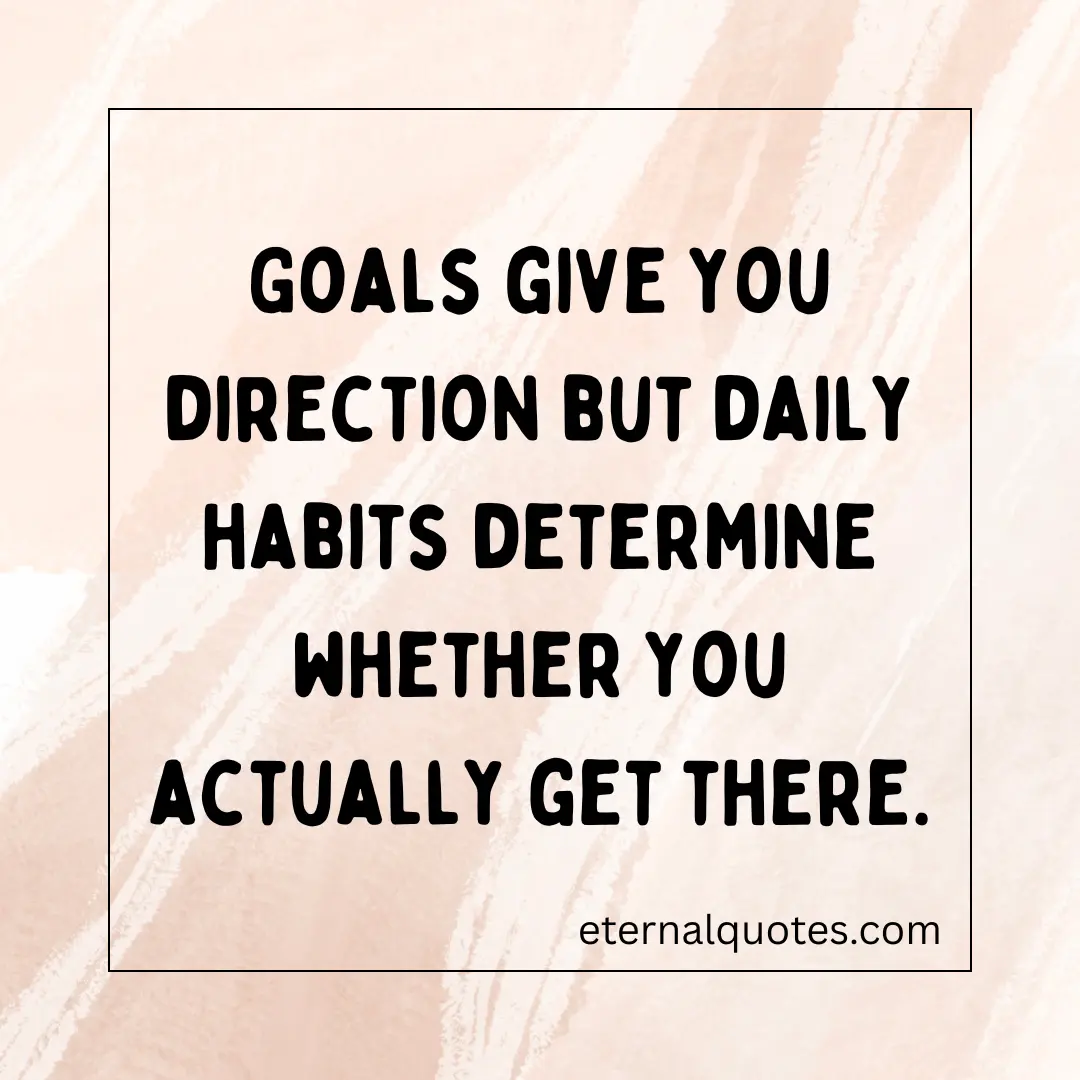
Motivation starts you on the fitness journey but discipline keeps you going when motivation leaves.
Real fitness goals focus on performance and feeling rather than purely aesthetic outcomes.
You need both outcome goals and process goals to stay motivated during the long journey.
Motivation fluctuates constantly which is why relying on it alone guarantees eventual failure.
Goals should excite you enough to start and scare you enough to require real growth.
Real motivation comes from seeing yourself do things you couldn’t do before, not from scales or mirrors alone.
You stay motivated by tracking all types of progress, not just the ones that show up visually.
Fitness goals should be personal and meaningful to you, not based on what others expect or achieve.
Motivation returns when you remember why you started and how far you’ve already come.
Real goals evolve as you do, requiring adjustment rather than abandonment when circumstances change.
Long-Term Sustainability
The biggest goal in fitness is not fast results. It is sustainability. What you can keep doing for years will always matter more than what you can push through for a few weeks.
When fitness fits into your life instead of taking it over, it becomes something you can maintain without constant pressure. That is where real long-term results come from.

Real long-term success comes from building habits that fit your life, not restructuring life around fitness.
Sustainability requires balance – pushing yourself while also resting, eating well while also enjoying food.
You can’t maintain fitness built on deprivation, punishment, or unsustainable intensity indefinitely.
Real sustainability means your fitness enhances your life instead of consuming it entirely with obsession.
Long-term success comes from finding the minimum effective dose, not maximizing everything constantly.
Sustainable fitness includes seasons of intensity and seasons of maintenance based on life circumstances.
You maintain fitness long-term by making it non-negotiable while remaining flexible about the details.
Real sustainability means your relationship with fitness is healthy, not compulsive or anxiety-driven.
Long-term fitness success looks like consistent movement over decades, not intense effort over months.
Sustainability comes from self-compassion when you struggle rather than guilt that makes you quit entirely.
The Fitness Journey
These words capture just a fraction of what makes fitness such a transformative journey.
Fitness is deeply personal. What works for someone else might not work for you. What motivated them might not motivate you. Your journey is yours alone, even when you’re training alongside others.
The beautiful thing about fitness is that it meets you wherever you are. You don’t have to be athletic, young, or naturally gifted. You just have to start and keep going, adjusting as you learn what your body needs and responds to.
Fitness teaches you about yourself – your discipline, your excuses, your capacity for growth, and your ability to push through discomfort. It shows you that change is possible when you’re willing to work for it consistently.
Your body is capable of amazing things when you give it proper fuel, adequate rest, and consistent challenge. The transformation isn’t just physical. It’s mental, emotional, and deeply empowering.
Start where you are. Use what you have. Do what you can. Be patient with the process and proud of the progress. Celebrate small victories because they compound into major transformations.
Your fitness journey is a gift you give yourself – stronger body, clearer mind, better health, increased confidence, and proof that you can do hard things.
Show up for yourself. You’re worth the effort, the sweat, and the discipline it takes to become the strongest version of yourself.
One workout at a time. One day at a time. One choice at a time. That’s how transformation happens.


